
Ethical Management System
Ethical Management Policy
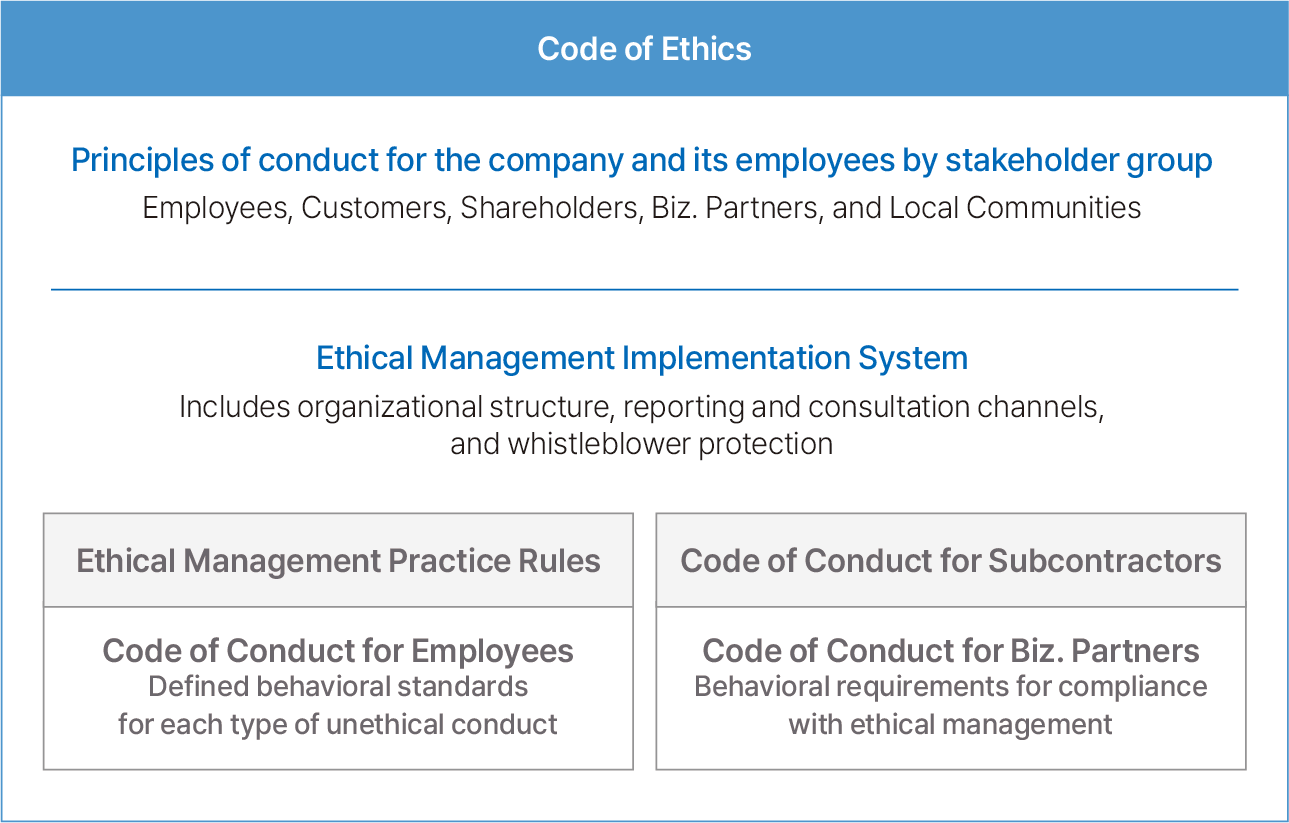
SK ecoplant’s ethical management system is operated in accordance with its Code of Ethics. The Code of Ethics stipulates the overall structure of the ethical management system, including the composition of the responsible organization, anti-bribery and anti-corruption principles based on a zero-tolerance policy, ethical consultation and reporting procedures, and ethics training. Its scope of application extends not only to domestic and overseas subsidiaries, branches, and affiliates but also to all members of the organization, including contract and part-time workers, as well as customers, Biz. Partners, and shareholders. Additionally, compliance with the Code of Ethics is encouraged for all stakeholders engaged in business relationships with the company.
Under the Code of Ethics, the Ethical Management Practice Rules provide clear standards for each ethical principle to help employees and stakeholders make proper decisions in ethically challenging situations. Furthermore, through the Code of Conduct for Biz. Partners, SK ecoplant clearly outlines the behavioral requirements for ethical management expected of its partners, thereby enhancing the overall level of ethical practices across the entire supply chain.
Ethical Management Governance
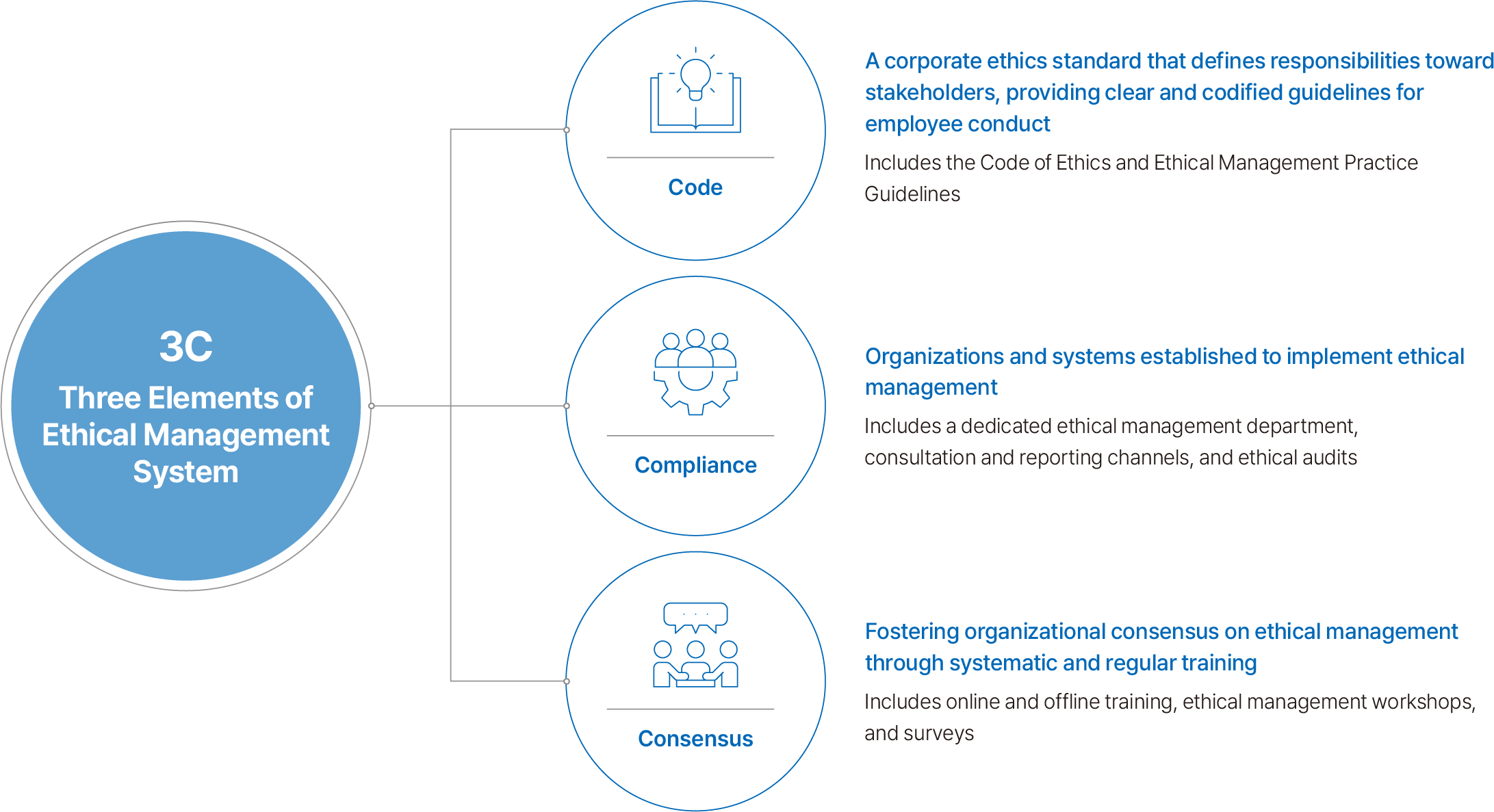
SK ecoplant’s ethical management system is structured around three components: Code (behavioral standards), Compliance (systems), and Consensus (shared understanding). Through this framework, the company practices ethical management, ensures transparency in related operations, and fosters stakeholder trust.
Ethical Management System
Ethical Management Execution Organization
To establish a strong ethical culture, SK ecoplant carries out various initiatives led by its ethical management department. As the department responsible for internal audits, the ethical management department reviews internal ethical risks and reports the findings to the Audit Committee. The ethical management department also reviews non-financial risks deemed significant by the Audit Committee and reports the results of such audits accordingly. Meanwhile, the Audit Committee—composed entirely of outside directors—exercises the authority to appoint and approve the appointment of the head of the ethical management department, who leads internal audits. By approving the annual audit plan at the beginning of each year, the committee ensures the independence of internal audit operations.
Ethical Management Goals
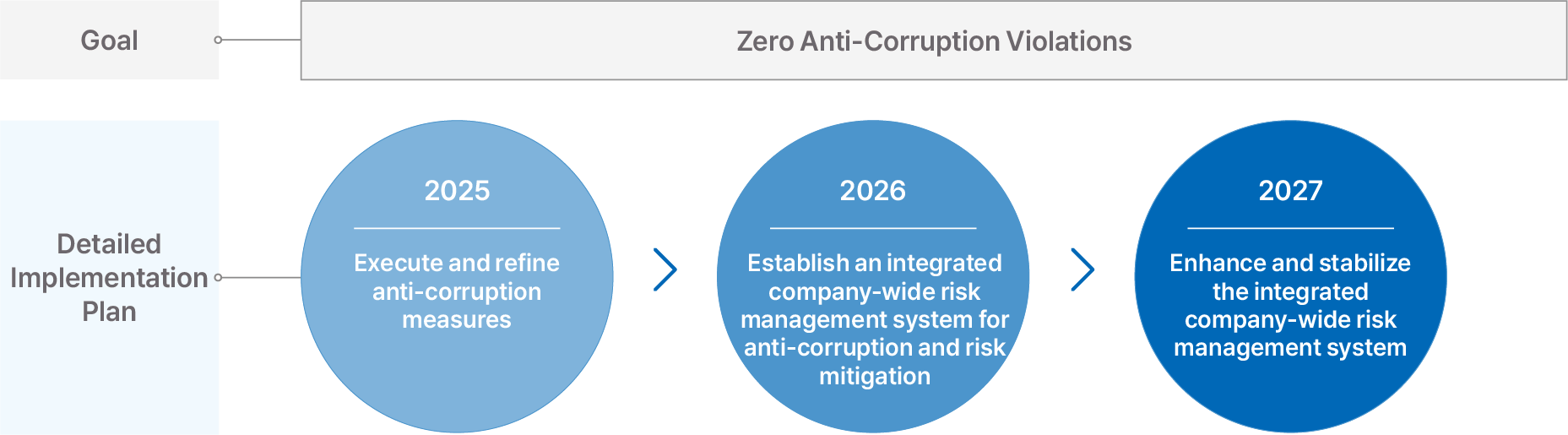
SK ecoplant is advancing its ethical management system with the goal of achieving zero anti-corruption violations. Based on the Anti-Corruption Risk Management System and Capability index established by SK Group in 2022, company-wide anti-corruption risks are identified, assessed, and addressed through improvement measures. The performance of this risk management system is regularly reported to the Board of Directors. As a result, SK ecoplant received the highest rating among SK Group affiliates in the 2025 Ethical Management Evaluation, demonstrating its strong execution capabilities in ethical management. SK ecoplant will continue to proactively identify anti-corruption risks and implement corrective actions to manage potential risks in advance.
Ethical Management Roadmap
Ethical Management Monitoring
Internal Audit
To assess the implementation of its ethical management system, SK ecoplant conducts internal audits at least once every three years across headquarters, subsidiaries, and projects carried out by each business division. As the department responsible for internal audits, the ethical management department defines the audit scope with a focus on high-risk areas by business unit and reviews work procedures, compliance with relevant regulations, and potential unethical conduct. When violations are identified, they are reported to the CEO or the Audit Committee, and immediate corrective actions are taken. If necessary, improvement plans are developed in collaboration with relevant departments, and implementation progress is monitored annually. For projects that are concluding, final settlement audits are conducted to ensure transparency throughout the entire project cycle. In 2025, a total of four internal audits were conducted across business divisions, identifying 19 potential risks. The company is monitoring corrective actions with the goal of achieving 100% resolution of identified issues.
Pre-Assessment of Risks
To proactively identify and manage potential anti-corruption risks, SK ecoplant operates the Risk Self-Monitoring System and the Risk Sensing System (RSS¹) on an annual basis. The Risk Self-Monitoring System, implemented at the SK Group level, uses a checklist based on risk items categorized by business function—such as procurement, HR, and expenditures—allowing each department to conduct a self-assessment or jointly perform an assessment with the ethical management department to verify operational integrity. In 2025, six domains were reviewed, and both identified improvement items were addressed. The Risk Sensing System (RSS) is SK ecoplant’s proprietary pre-assessment program that detects irregularities using system data across seven evaluation domains. In 2025, no irregular cases were detected.
Ethical Management Practice Evaluation
To identify areas for improvement and reflect them in the overall ethical management system, SK ecoplant conducts an annual internal evaluation of its ethical management system operations, targeting all employees—including contract and part-time workers, excluding daily hires. The 2025 assessment results showed that the area with the most significant improvement over the past three years was “inappropriate handling of duties,” and the effectiveness of related corrective actions was also confirmed. On the other hand, “guaranteeing whistleblower anonymity” was identified as an area requiring improvement. Accordingly, the company is strengthening specific measures to ensure anonymity, such as revising whistleblower protection regulations and conducting annual whistleblower monitoring. Other areas requiring improvement will be incorporated into the process of overhauling the ethical management system, with the aim of further raising the standard of ethical management practices. In 2025, SK ecoplant’s ethical management evaluation score exceeded the SK Group average, indicating strong employee trust and positive perceptions regarding ethical management.
Compliance with Ethics and Anti-Corruption Laws
SK ecoplant applies a zero-tolerance policy toward ethical and anti-corruption violations, with the aim of achieving zero anti-corruption violations. In the event of a violation, the Disciplinary Review Committee assesses the necessity and level of disciplinary action, and the details and rationale for such disciplinary actions are disclosed to employees. Key violation cases and recommended actions are regularly shared with employees via electronic newsletters to prevent the recurrence of similar incidents. As a result, there have been no cases of violations of ethics or anti-corruption laws at domestic or international sites over the past three years.
Ethics Reporting and Training
Promoting Ethics Reporting
SK ecoplant operates ethics consultation and reporting channels at all times to receive reports of unethical conduct from all stakeholders, including employees, subsidiaries, Biz. Partners, and customers. As a member of the SK Group, SK ecoplant utilizes the Group’s integrated reporting system, providing easy access to all users through various platforms such as the internet, email, and KakaoTalk. Key reporting subjects include unethical or anti-competitive behaviors such as receiving money, gifts, or special favors from stakeholders like Biz. Partners, or gaining unjust benefits through inappropriate use of company assets or information.
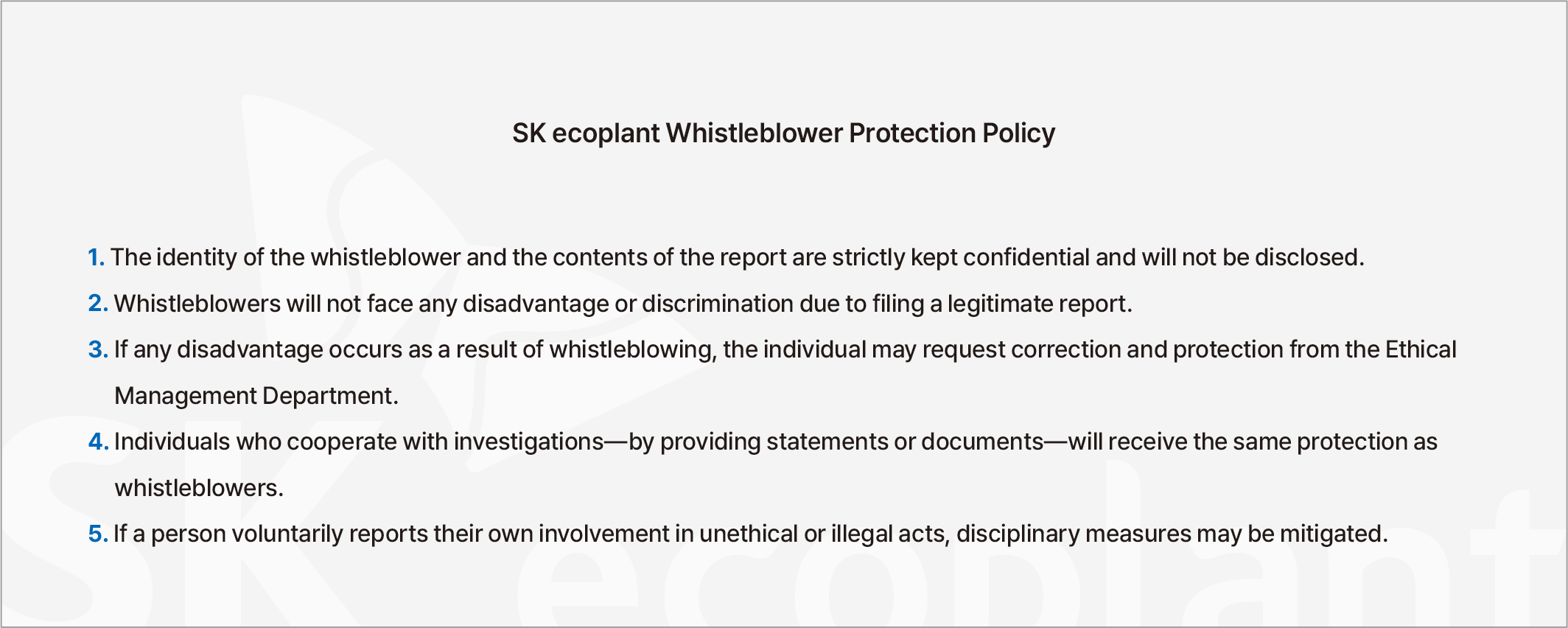
At the same time, to ensure a secure reporting environment, SK ecoplant has publicly disclosed whistleblower protection policies within its reporting system. These regulations clearly stipulate principles such as guaranteed anonymity, confidentiality, personal protection, and a prohibition on discriminatory treatment. In particular, stricter disciplinary measures are applied to cases involving retaliation against whistleblowers or the disclosure of their identities to others.
Ethics Reporting Channels
Category | Details | |
|---|---|---|
4F, SK ecoplant, 19 Yulgok-ro 2-gil, Jongno-gu, Seoul, Republic of Korea – Ethical Management Division | 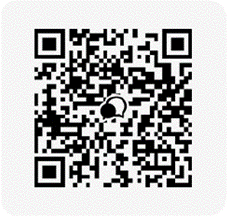 | |
Online | SK Group Ethical Management Website | |
KakaoTalk 1:1 Open Chat | Search “SK ecoplant Ethical Management” or scan the QR code | |
Whistleblower Protection Policy
Actions Taken on Ethics Reports
In 2025, SK ecoplant addressed a total of 13 cases through its ethics reporting channels and risk assessment activities. As a result, disciplinary measures were imposed on 26 individuals involved in workplace harassment, violations of company regulations, or unethical conduct. The outcomes of the Disciplinary Review Committee were shared with all employees, training was provided on the violation cases, and efforts to prevent recurrence are being made through the Ethical Management Practice Letter.
Ethics Training
SK ecoplant promotes ethical values and practices throughout the organization by providing annual ethics training that exceeds statutory requirements, as well as ethics management workshops tailored to each unit, for all employees—including contract, part-time, regular, dispatched employees, and executives. In 2025, the company conducted in-person training for on-site staff focused on recommended standards of conduct based on real-life cases and ethical standards aimed at raising awareness among supervisors. This supported the effective resolution of ethical dilemmas that may arise on-site while strengthening the practice of ethical behavior. Additionally, to improve the ethical environment in the workplace and foster a culture of gender equality, separate sexual harassment prevention training was conducted for field site managers.
For Biz. Partners, SK ecoplant continued to operate existing programs—such as online ethics training, compliance newsletters, and financial support for external training programs—to broaden consensus on ethical management. Going forward, the company plans to continuously expand the scope of ethics training for Biz. Partners and enhance the effectiveness of these programs by improving training content and methods.