
Social Contribution Implementation Direction
Social Contribution Strategy
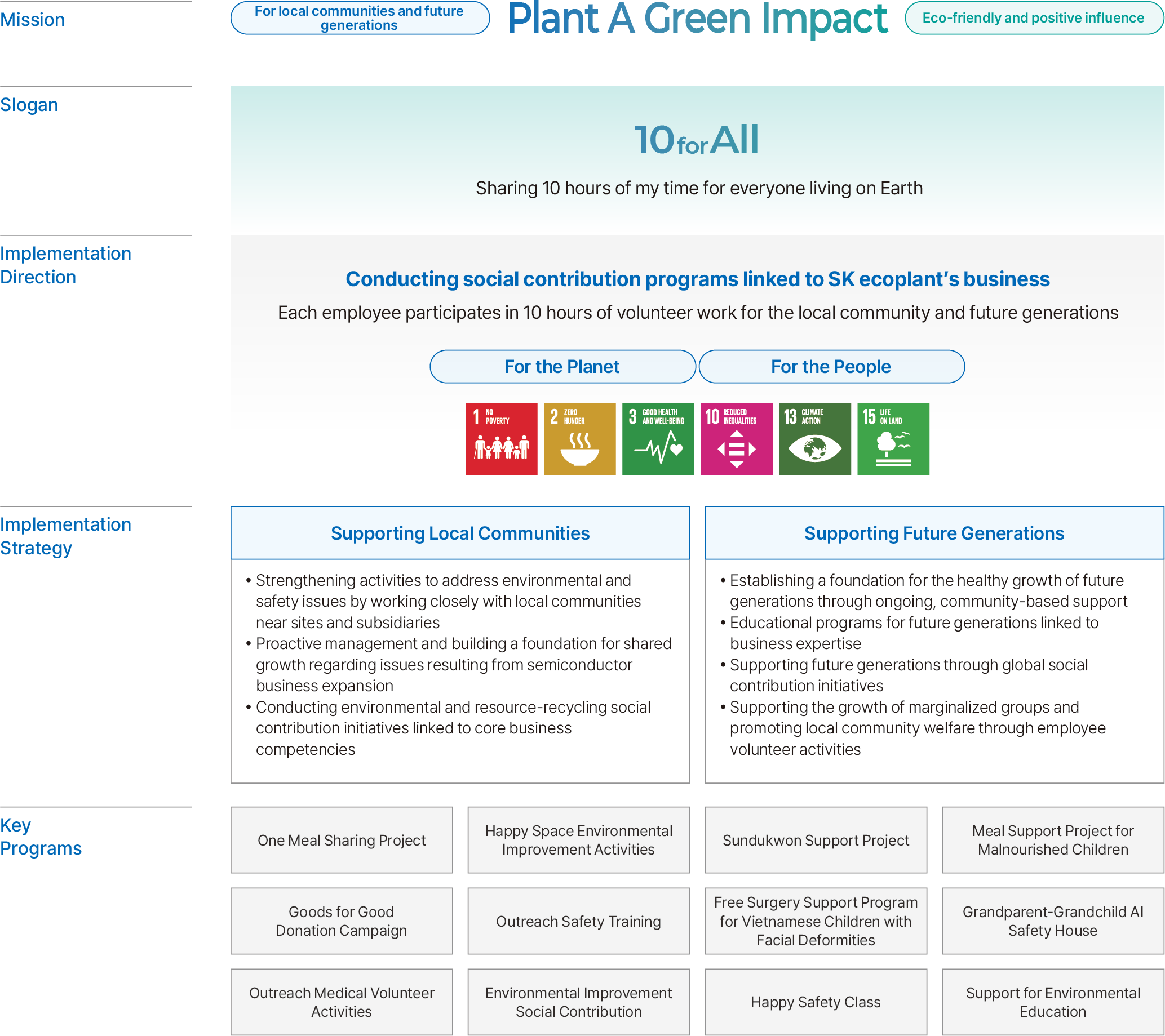
SK ecoplant strives to grow alongside society through environmental protection and contributions to local communities. Under the mission “Plant A Green Impact,” the company fulfills social contribution and carries out various social contribution activities to realize a sustainable society. In particular, social contribution activities that reflect the unique nature of SK ecoplant’s business are continuously being expanded. Starting in 2025, SK ecoplant is actively expanding community safety awareness programs to help address social issues—such as safety and healthcare—in areas near semiconductor facilities.
Social Contribution Implementation Strategy
Social Contribution Goals
SK ecoplant is working to contribute to solving social issues through collaboration and connection by refining policies and programs that link its core businesses with the Sustainable Development Goals (SDGs) and local community issues.
In 2023, SK ecoplant established the in-house “EP (Eco People) Volunteer Group” (a volunteer group composed of SK ecoplant and subsidiary employees) to conduct in-person volunteer activities and expand opportunities for employees to engage in external volunteer work. Additionally, the company operates the “10forAll” program, which requires 10 hours of annual volunteer service for the benefit of local communities and future generations; in 2023, employees averaged more than 5 hours per person, and starting in 2024, this increased to 10 hours. To broaden the scope of social contribution, SK ecoplant is promoting an organizational CSR culture by expanding volunteer participation from individual to team levels, while also conducting CSR activities in collaboration with subsidiaries. Three new initiatives have been launched in 2025. These include participatory programs involving employees’ families (EP Family Plogging Festival), an environmental cleanup program (Waterway Volunteer Group) in partnership with a client (SK hynix), and a local community AI education program (Happy AI Study Lab).
Furthermore, to enhance the effectiveness of these social contribution activities, SK ecoplant conducts an annual year-end survey of employees and, after reviewing the feasibility of employee-proposed CSR programs, incorporate them into operations. Through this, the company is continuously expanding opportunities for employees to voluntarily create social value.
Social Contribution Goals
Direction |
| |
|---|---|---|
Achievements (2025) |
| |
Mid- to Long-Term Goals | 2026 | Establish an AI-based social contribution model that reflects the New Vision
|
2027 | Enhance the AI-based social contribution model
| |
2030 | Expand the AI-based social contribution model
| |
Social Contribution Activities
Theme 1. Supporting Local Communities
One Meal Sharing Project
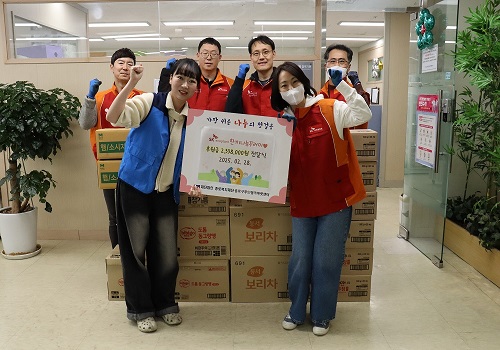 | SK ecoplant operates the “One Meal Sharing through ZeroDay” program to reduce food waste. On the first Friday of every month, the number of side dishes in the company cafeteria is reduced, and the KRW 2,000 saved per meal is accumulated as a donation. The collected donations are used to purchase food items—such as rice, kimchi, and gochujang—for vulnerable groups through the Jongno-gu Food Market Center. Going beyond simple donations, the initiative is linked with the 10forAll program, where the EP Volunteer Group actively participates in arranging food displays, assembling food kits, and delivering them, thereby putting the value of sharing into practice. In 2025, a total of 11,788 employees participated, donating goods equivalent to KRW 23,576,000. |
|---|
Happy Space Environmental Improvement Activities
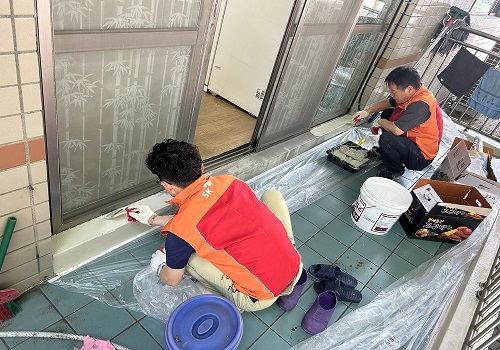 | “Happy Space Environmental Improvement Activities” are employee-led talent donation initiatives that involve repairing and renovating deteriorated living spaces for vulnerable groups and public welfare facilities. Since April 2006, SK ecoplant has collaborated with local NGOs to improve the residential environments of low-income households, including elderly individuals living alone, single-parent families, and children and youth in after-school care centers. In recognition of these efforts, the company received a commendation from the Minister of Health and Welfare in 2011. In 2025, the program expanded its scope to include more beneficiaries and a wider geographic area. With the participation of 58 members, the program improved the living conditions of low-income grandparent-headed households near the Yongin Semiconductor Cluster and, in collaboration with a client company (SK hynix), created a space for local youth to experience and learn about AI. In 2026, SK ecoplant plans to support the renovation of dilapidated living spaces for vulnerable and marginalized members of the community—such as those at local children’s centers, senior centers, and public housing—who need attention and assistance. |
|---|
Goods for Good Donation Campaign
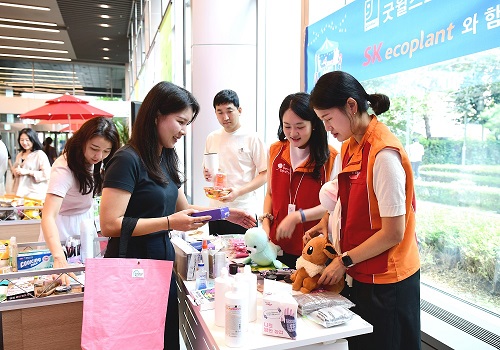 | SK ecoplant operates the “Goods for Good Donation Campaign” in partnership with Goodwill Store, a social enterprise that creates jobs for persons with disabilities through resource circulation, giving new value and purpose to items no longer in use. The campaign is held during the third week of each month, when employees can donate goods by placing them in large collection boxes located in the building lobby and easily request donation receipts via QR code. By eliminating the previous inconvenience of needing to gather a certain quantity for shipping or making an in-person store visit, the campaign allows for the donation of even small items, which has encouraged greater participation among employees. The donation receipts can be used for year-end income tax deductions, further contributing to positive employee engagement. Donated items are resold at Goodwill Store locations, and the proceeds are used to support job creation and self-reliance programs for persons with disabilities. As a result, a cumulative total of 11,842 items have been donated as of 2025, equivalent to an estimated value of KRW 28,888,000. Since 2024, as part of the “Waste Zero” campaign linked to “Zero Day,” SK ecoplant has also been hosting “Zero Day Appreciation Day.” In collaboration with the Seoul Metropolitan Government, the company provides free beverages to employees who bring their own reusable cups and exchanges collected used batteries for new ones. Additionally, SK ecoplant held an in-house bazaar and donated all proceeds from the sale to support job creation and wage subsidies for persons with disabilities. |
|---|
Happy AI Study Lab
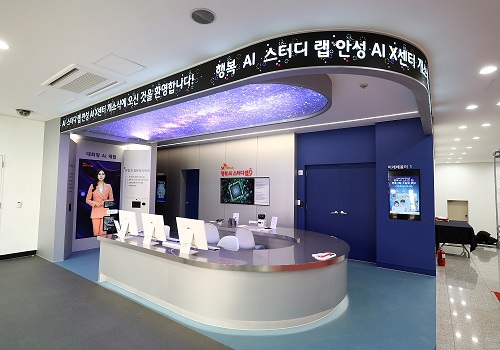 | The “Happy AI Study Lab” is a program currently being conducted in collaboration with SK hynix to enhance local communities’ experience with AI, improve their ability to utilize it, and bridge the AI education gap. It was established to increase local residents’ access to information and communications technology (ICT) education and support the development of future talent equipped with skills in cutting-edge technologies such as AI. Currently, in partnership with the Anseong Central Library, SK ecoplant is preparing AI and ICT education programs tailored to each generation—including teenagers, adults, and seniors. An AI Digital Experience Zone will be set up to offer a variety of AI services, including a Human AI Kiosk that provides information about Anseong City alongside book curation, an AI Go robot plus educational/experiential kiosks to assist seniors in experiencing AI, in addition to and PCs and tablets capable of AI dubbing, translation, and webtoon creation. The Happy AI Study Lab is enhancing local residents’ access to IT information through its partnership with public libraries. Furthermore, it is gaining attention as a community hub where people can experience, learn, and communicate using AI technology, thereby serving as a region-specific educational model. |
|---|
Outreach Safety Training (“Where Is the AED in My Apartment Complex?”)
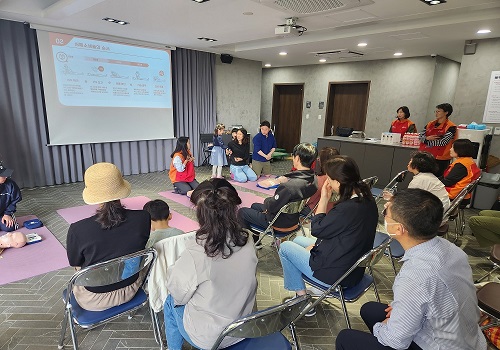 | “Outreach Safety Training" is a program that teaches first aid and AED (automated external defibrillator) usage to residents of apartment complexes built by SK ecoplant. In collaboration with local fire departments, the program focuses on pinpointing the exact locations of AEDs within apartment complexes and providing hands-on first aid training to enhance residents’ emergency response capabilities. A total of three sessions were held in 2025, and considering the high participant satisfaction ratings, the program is scheduled to be expanded nationwide starting in 2026. |
|---|
Outreach Medical Volunteer Activities (“The Healthier Bus”)
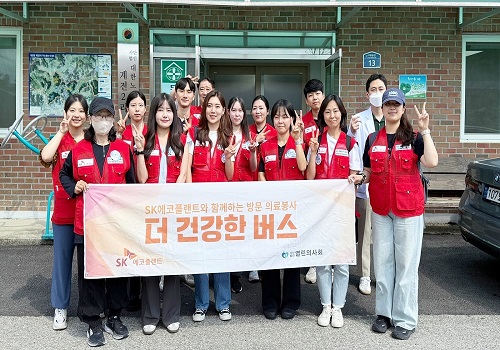 | Since 2025, SK ecoplant has been conducting medical volunteer activities for the elderly in medically underserved areas such as Yeoncheon, Icheon, and Yangpyeong, in collaboration with the Korean Open Doctors Society. Additionally, to ensure that more vulnerable groups can access medical care, the company sponsors “The Healthier Bus,” a mobile medical volunteer service operated by the Open Doctors Society. |
|---|
Environmental Improvement Social Contribution_ Local Community Cleanup
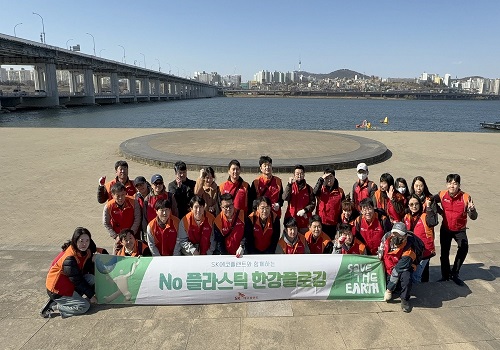 | SK ecoplant operates various programs that encourage employees to contribute to local environmental cleanup through small actions in their daily lives. In 2025, the company carried out the “No Plastic Hangang River!” campaign in collaboration with the Seoul Volunteer Center and the Seoul Future Hangang River Headquarters, collecting and sorting waste in Hangang River parks through plogging activities to help protect the river’s ecosystem. In addition, a weekly plogging activity called Jongno-gu Voluntour is held every Friday around the company’s headquarters. “Voluntour” is a coined term combining “Volunteer” and “Tour,” where employees voluntarily participate with their teams or colleagues to walk through nearby areas while collecting litter. Environmental cleanup efforts are also conducted at project sites nationwide, targeting surrounding areas and contributing to the development of positive relationships with local communities. |
|---|
Environmental Improvement Social Contribution_ Internal Activities for Greenhouse Gas Reduction
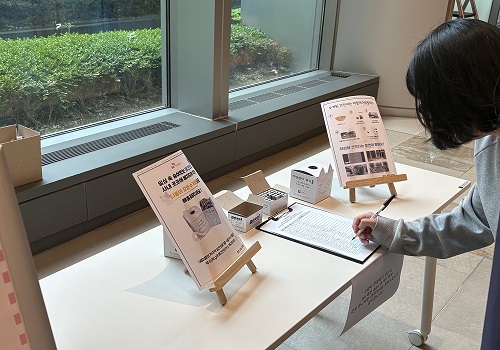 | SK ecoplant operates a range of ESG engagement programs for employees, including ZeroDay to promote Waste Zero, EarthHour for electricity conservation, CE100 (Circular Economy 100%) to encourage resource circulation, and 10forAll, a volunteer program dedicating 10 hours for the planet—each held on a monthly basis. In addition, the company runs Battery Recycling for Love in collaboration with the Korea Battery Circulation Resource Association, collecting and recycling used batteries and exchanging them for new ones for employees. In February 2026, SK ecoplant signed an MOU covering the collection and recycling of both used batteries and end-of-life information technology equipment, and plans to receive annual greenhouse gas reduction certificates certified by the Ministry of Environment. The Battery Recycling for Love campaign began at SK ecoplant’s headquarters and is expanding to the Yongin Semiconductor Cluster General Industrial Complex project site and to its subsidiary, SK oceanplant. SK ecoplant plans to continue its efforts to protect the local environment and promote the transition to a circular economy. |
|---|
Environmental Improvement Social Contribution_ Waterway Volunteer Group
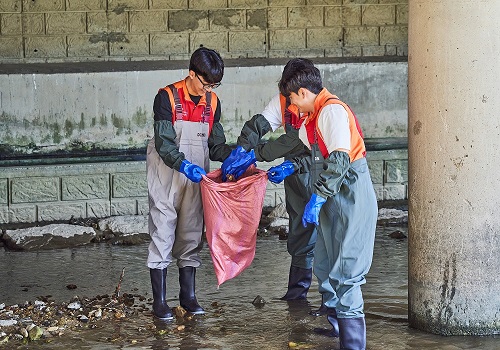 | The “Waterway Volunteer Group” is a volunteer program that manages and conserves water—a key resource for the semiconductor industry—while carrying out carbon neutrality and environmental conservation activities in collaboration with local communities. In 2026, the “Waterway Volunteer Corps with Yongin Citizens” was held around the Yongin Stadium waterfront park to purify the Gyeongancheon and improve water quality. Activities included river cleanup using Miple Catcher (a water drone) and a plogging challenge. Approximately 250 people participated, including SK ecoplant employees, SK hynix volunteer corps, Yongin citizens, and representatives from 13 companies affiliated with the Social Economy Council. |
|---|
Environmental Improvement Social Contribution_ EP Family Plogging Festival
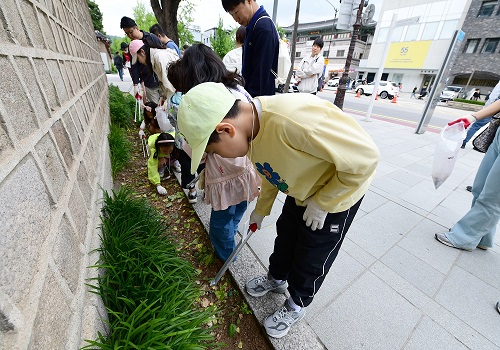 | To celebrate Family Month and its founding anniversary, SK ecoplant hosted the “EP Family Plogging Festival” as part of a campaign to engage the EP Family in addressing climate change. Family-oriented plogging tours took place outdoors, while various hands-on activities were held indoors, including building solar-powered and self-driving cars, upcycling waste materials, playing traditional games, and making sea glass keychains. These activities allowed participants to practice environmental protection in a more meaningful way alongside their families. Activities emphasizing the values of carbon neutrality and resource recycling—such as CPR (cardiopulmonary resuscitation) training, solar car kit assembly, and refill station experiences—were also organized, followed by eco-friendly play experiences using bicycle-powered generators. Food and beverages were provided in reusable containers to offer employees and their families a unique experience while also conveying the ESG message. |
|---|
Theme 2. Supporting Future Generations
Sundukwon Support Project
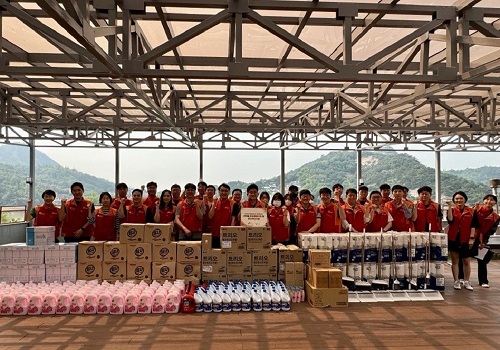 | As part of its support initiatives for future generations, SK ecoplant operates various programs in partnership with Sundukwon, a childcare facility located in Jongno-gu. The EP Volunteer Group visits Sundukwon every week to provide tutoring, hosts monthly birthday parties, and regularly assists with facility renovations to support the children’s emotional well-being and improve their living environment. In 2025, a roof that collapsed due to heavy snowfall was repaired, while 30 employees participated in major cleanup activities. The company also took part in various end-of-year cultural activities, such as watching musicals, with Sundukwon children. Through this, SK ecoplant is continuing its commitment to supporting future generations in the local community. |
|---|
Meal Support Project for Malnourished Children
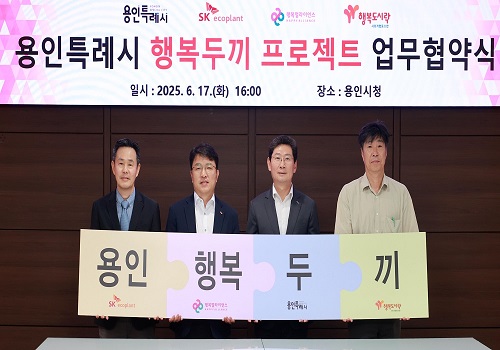 | SK ecoplant collaborates with “Happy Alliance” to operate the “Happy Two Meals Project”, which provides meals to children who are at risk of skipping meals. The project began in 2021 in Yeonje-gu, Busan, and was expanded in 2022 to Buk-gu, Ulsan, and Chungju, establishing a sustainable support system through cooperation with local governments. In 2023, the program provided 13,464 side-dish lunch boxes over the course of a year to 51 children in Chungju City, and in 2024, delivered 13,200 side-dish lunch boxes over the course of a year to 50 children at risk of going hungry in Icheon City. In 2025, side dishes and Onnuri gift certificates were provided to 40 children in Yongin City for one year. * Happy Alliance is a social safety net where companies, the government, and ordinary citizens collaborate to provide meals for malnourished children who lack welfare benefits. It is operated by Happynarae, a member of the SK Group. |
|---|
Free Surgery Support Program for Vietnamese Children with Facial Deformities
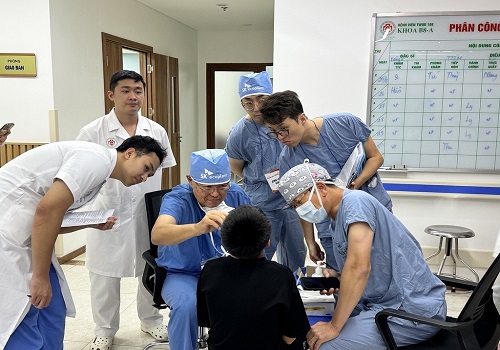 | Since 1996, SK ecoplant has been conducting an annual program to provide free surgery for children with facial deformities in Vietnam. Most of the beneficiaries have cleft lip and palate, a condition that can lead to lifelong physical and emotional difficulties if not treated in a timely manner. Through this program, beneficiaries are regaining their health, and as of 2025, a total of 4,391 children have benefited from approximately KRW 4.2 billion in funding provided over 27 rounds. In addition to covering surgery and hospitalization costs, the company also provides funding to help local Vietnamese medical staff acquire medical skills and purchase surgical equipment. |
|---|
Grandparent-Grandchild AI Safety House
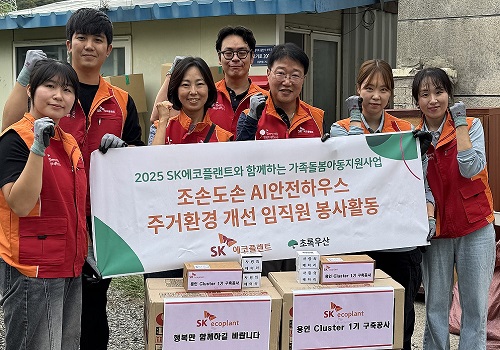 | The Grandparent-Grandchild AI Safety House is a program that improves living conditions and establishes safety systems incorporating AI technology so that children living with their grandparents can live in a safe and comfortable environment. Considering that there are approximately 112,600 grandparent-headed households nationwide (based on the 2024 Statistics Korea Population and Housing Census) and that more than half of them receive basic livelihood security benefits, this program was launched with the aim of providing a better learning environment for future generations facing difficult family circumstances. In collaboration with the ChorogUsan for children, the program provided desks and furniture to grandparent-headed households in Icheon and Yongin to improve their learning environments, and carried out wallpapering, flooring, and waterproofing work to enhance their overall living conditions. Additionally, AI-based care services for grandparents were introduced to create a smart living environment. |
|---|
Happy Safety Class
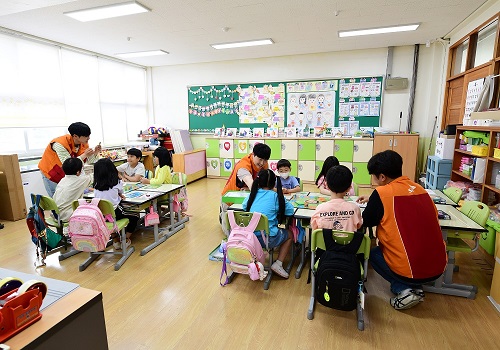 | SK ecoplant is currently running the “Happy Safety Class” program for all students at two elementary schools located near the under-construction semiconductor cluster site in Yongin. Key programs include theoretical and practical first-aid training conducted in collaboration with the local fire department, as well as safety board game activities. "Happy Safety Class" is a program that evolved from "Happy Green Class," SK ecoplant’s flagship social contribution program, expanding upon its original purpose and values. From 2009 to 2019, “Happy Green Class” provided environmental education to approximately 65,000 students at 625 schools nationwide. After a brief hiatus due to the COVID-19 pandemic, the program has been relaunched as “Happy Safety Class” to enhance safety awareness among future generations. |
|---|
Support for Environmental Education
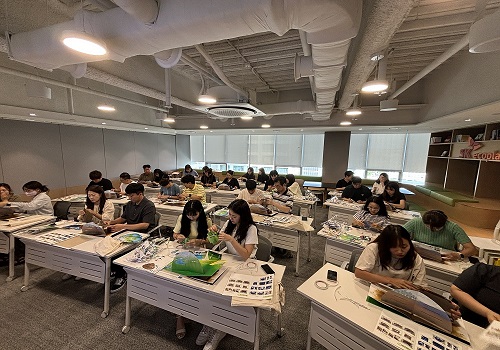 | SK ecoplant produced the “Future Energy & Environment Pop-up Book” to raise ESG awareness among employees involved in environmental and energy initiatives and to support environmental education for future generations. In particular, during the summer—when outdoor volunteer activities are difficult—30 employees participated each week in pairs to complete the pop-up book. The finished pop-up books were delivered to local children’s centers and are being used as environmental education materials for children. |
|---|
Social Contribution Activity Performance
Social Contribution Investment Status
Category | Unit | 2023 | 2024 | 2025 |
|---|---|---|---|---|
Investment Amount (Donations and In-kind Sponsorships) | KRW 100 million | 11.9 | 15.3 | 14.5 |
Social Contribution Activity Expenses (Includes costs related to the purchase of | KRW 100 million | 3.4 | 0.5 | 1.7 |
Key Social Contribution Program Performance
Category | Unit | 2023 | 2024 | 2025 | |
|---|---|---|---|---|---|
Meal Support Project for Malnourished Children | No. of Children | Persons | 51 | 50 | 40 |
Scale of Support | KRW 100 million | 1.0 | 0.98 | 0.4 | |
Free Surgery Support | No. of Children | Persons | 116 | - | 118 |
Scale of Support | KRW 100 million | 1.9 | - | 1.9 | |
Employee Volunteer Activity Performance
The EP Volunteer Group is currently comprised of employees from SK ecoplant and SK ecoengineering, with plans to expand participation to include major subsidiaries in the future. The volunteer group is formed each month through voluntary sign-ups and continuously carries out activities in collaboration with various volunteer organizations. Volunteer hours and activity results are managed through the “Haenggarae” mobile app, and in 2025, SK ecoplant’s cumulative volunteer hours surpassed 30,000 hours.
CASE | Selected as a 2025 CSR in the Community Certified Company |
|---|
SK ecoplant was selected as a “Certified Company” through an A+ rating under the “2025 CSR (Corporate Social Responsibility) in the Community,” jointly organized by the Ministry of Health and Welfare and the Korea National Council on Social Welfare. CSR in the Community is a system designed to identify companies and organizations that have contributed to local communities, recognize their achievements, and encourage their continued efforts. Evaluations are based on 19 assessment criteria that reflect the current status of ESG management. | |
|---|---|
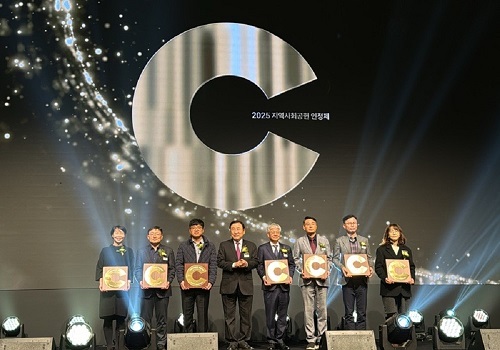 | With the goal of achieving its social contribution mission, “Plant a Green Impact” (creating an eco-friendly and positive impact for local communities and future generations), SK ecoplant is operating various social contribution programs to address environmental, resource recycling, and safety issues in local communities by leveraging its core business competencies. This selection as a 2025 CSR in the Community Certified Company is a result of external recognition for SK ecoplant’s sustained efforts in conducting community-focused social contribution activities—such as improving the environment of “Happy Spaces,” the “Grandparent-Grandchild AI Safety House” project, the collection and recycling of used batteries, and employee-participatory volunteer activities—through continuous collaboration with local community partners. |